
Why Low-Cost Self-Care Matters
Self-care does not have to involve expensive products, spa appointments, or a packed schedule. Often, the most helpful habits are simple activities that give you time to rest, reset, and focus on what you need.
Low-cost self-care can also be easier to maintain. When an activity requires little money and minimal preparation, you are more likely to make it part of your regular routine. The goal is not to create a perfect lifestyle. It is to find small, realistic ways to make your days feel more comfortable and balanced.
Here are several ideas you can try at home using items you may already have.
1. Create a Comfortable Relaxation Corner
Choose a small area where you can sit quietly, read, listen to music, or enjoy a few peaceful minutes. This could be a chair near a window, one end of the couch, or a cleared space on the floor.
Make the area inviting with items you already own, such as:
- A blanket or pillow
- A favorite book or magazine
- A water bottle or cup of tea
- A small lamp or string of lights
- A notebook and pen
Keeping this space tidy can make it easier to use when you need a break.
2. Take a Screen-Free Break
Set aside 15 to 30 minutes without phones, television, or computers. Use the time to sit by a window, stretch gently, organize a drawer, or simply enjoy quiet.
If going completely screen-free feels difficult, begin with a short break. Place your phone in another room or turn off nonessential notifications. Even a brief pause can help create a clear boundary between busy activities and personal time.
3. Make a Simple At-Home Spa Evening
You do not need special products to create a relaxing evening. Lower the lights, play calming music, and take your time with ordinary personal care.
Try washing your face, taking a warm shower, applying moisturizer you already own, or changing into comfortable clothing. You can also make a warm drink and read for a while afterward.
The main benefit comes from slowing down and treating the activity as intentional time for yourself.
4. Practice Gentle Stretching
Gentle stretching can be a useful way to add movement to a day spent sitting. Try simple shoulder rolls, neck movements, arm stretches, or leg stretches while standing or sitting.
Keep the movements comfortable and avoid forcing any position. You can follow a free beginner-friendly video or create a short routine of movements that feel natural to you. Five or ten minutes is enough to begin.
5. Start a Gratitude or Reflection Journal
A notebook can become a low-cost tool for reflection. Write down three things you appreciated during the day, one task you completed, or something you would like to remember.
You can also use prompts such as:
- What helped me feel calm today?
- What is one thing I handled well?
- What would make tomorrow easier?
- What activity would I like to make more time for?
There is no need to write long entries. A few honest sentences can be enough.
6. Enjoy a Homemade Meal Mindfully
Turn an ordinary meal into a self-care activity by giving it your full attention. Choose something simple, set the table, and avoid eating while rushing through email or chores.
You could make a favorite sandwich, prepare a bowl of soup, or put together a snack plate with ingredients already in the kitchen. Add a glass of water or another favorite drink, and take time to notice the flavors and textures.
This approach does not require special cooking skills. It simply makes an everyday moment feel more deliberate.
7. Revisit a Favorite Hobby
Hobbies can provide a refreshing break from responsibilities. Look for activities that use supplies you already have, including:
- Drawing or coloring
- Reading a book you own
- Writing short stories or poems
- Playing an instrument
- Completing a puzzle
- Knitting, sewing, or simple crafts
- Taking photos around your home
If you have not made time for a hobby recently, start with just 10 minutes. A small, regular habit is often more enjoyable than waiting for a large block of free time.
8. Declutter One Small Area
Cleaning the entire home can feel overwhelming, so choose one small area instead. Organize a bedside table, a kitchen drawer, a shelf, or your work surface.
Set a timer for 10 or 15 minutes. Keep what you use, move items to their proper places, and remove anything you no longer need. Stop when the timer ends, even if the area is not perfect.
A smaller, more comfortable space can make it easier to relax and find the things you use most often.
9. Make a Personal Music List
Create playlists for different moods or activities using music services you already use. You might make one list for quiet mornings, another for cleaning, and a third for relaxing in the evening.
You can also listen to a favorite album from start to finish instead of choosing individual songs. The simple act of selecting music can help you think about what makes you feel energized, peaceful, or nostalgic.
10. Try a Guided Breathing Break
Take a few minutes to sit comfortably and focus on your breathing. Breathe in slowly, then breathe out at a relaxed pace. Continue for several rounds while keeping your attention on the movement of your breath.
If your mind wanders, gently bring your attention back. Free audio guides and timer apps can help, but you can also practice without any tools.
11. Spend Time Near Natural Light
Open the curtains or sit near a window while you read, drink a beverage, or listen to music. If you have access to a balcony, porch, or yard, spend a few minutes there.
Noticing the weather, plants, clouds, or changing light can provide a simple change of pace. You do not need to plan a full outdoor activity to enjoy a little time connected to your surroundings.
12. Plan a Restful Evening
A restful evening often begins with a simple plan. Choose a few activities that help you wind down, such as tidying the room, preparing clothes for the next day, reading, or listening to quiet music.
Try to avoid filling every minute with chores. Leave a little space between activities so the evening feels less rushed. You can write down tomorrow’s main tasks to help clear them from your mind.
Make Self-Care Easy to Repeat
The best self-care routine is one that fits your actual life. Instead of trying every idea at once, choose two or three activities that feel enjoyable and realistic. You might take a screen-free break during lunch, journal before bed, or reserve one evening each week for a favorite hobby.
Self-care can be brief, free, and flexible. By paying attention to what helps you feel rested and refreshed, you can build simple habits that support your everyday well-being without stretching your budget.
Related Posts
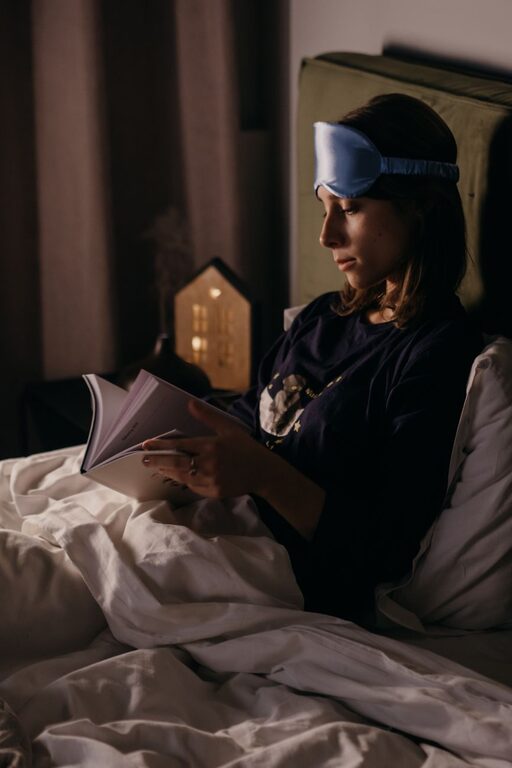
How to Sleep Better With a Simple Wind Down Routine
A busy day does not always end when you get…